
Play Therapy in Norwich and Norfolk
A safe space for children to express, explore and grow
What is Play Therapy?
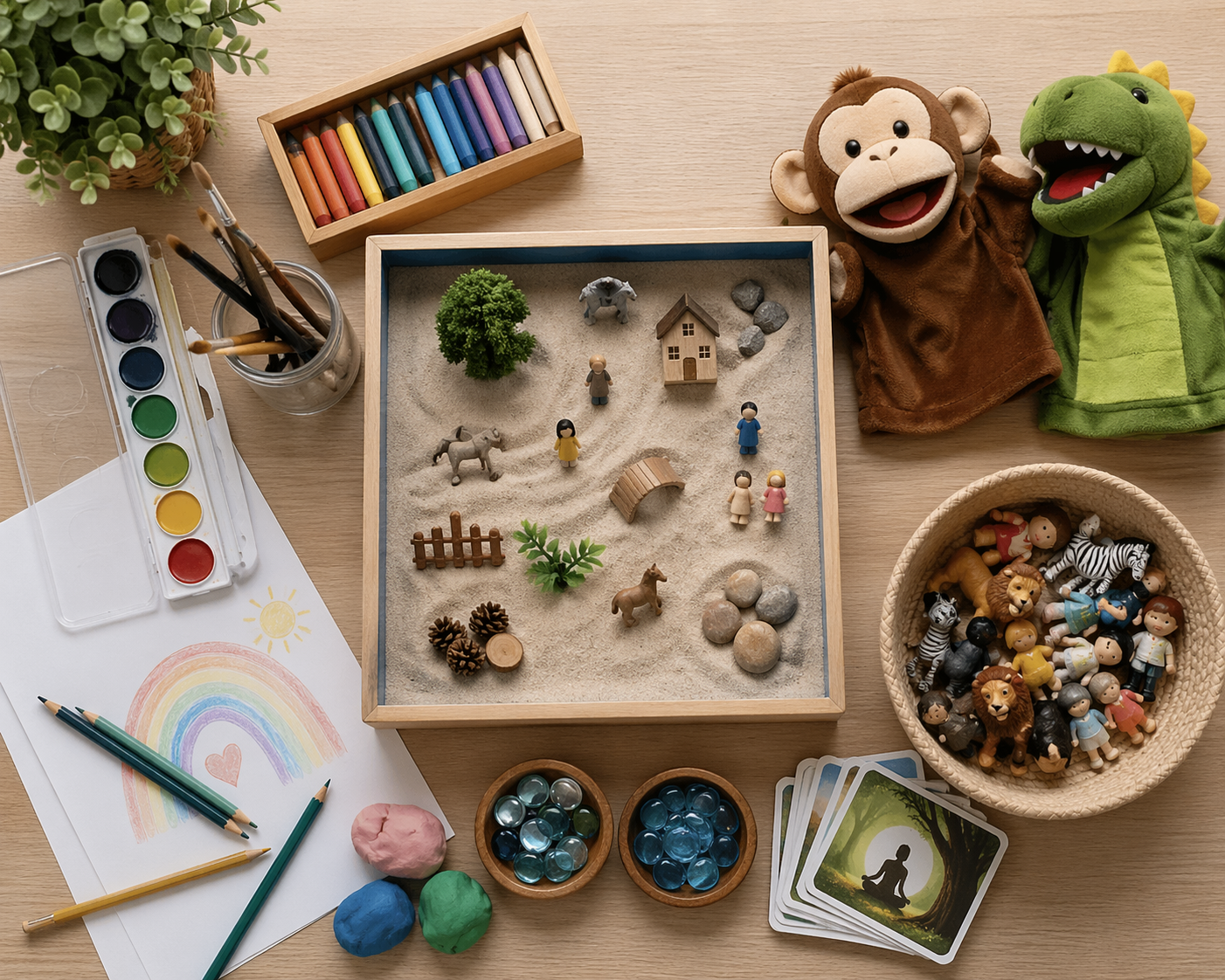
Play therapy is a gentle, child-centred approach that gives children a safe space to explore their feelings, experiences and relationships through play and creative expression.
For some children, talking about difficult experiences can feel overwhelming or simply isn't possible. They may not have the words to explain how they feel, or may communicate their emotions through their behaviour instead.
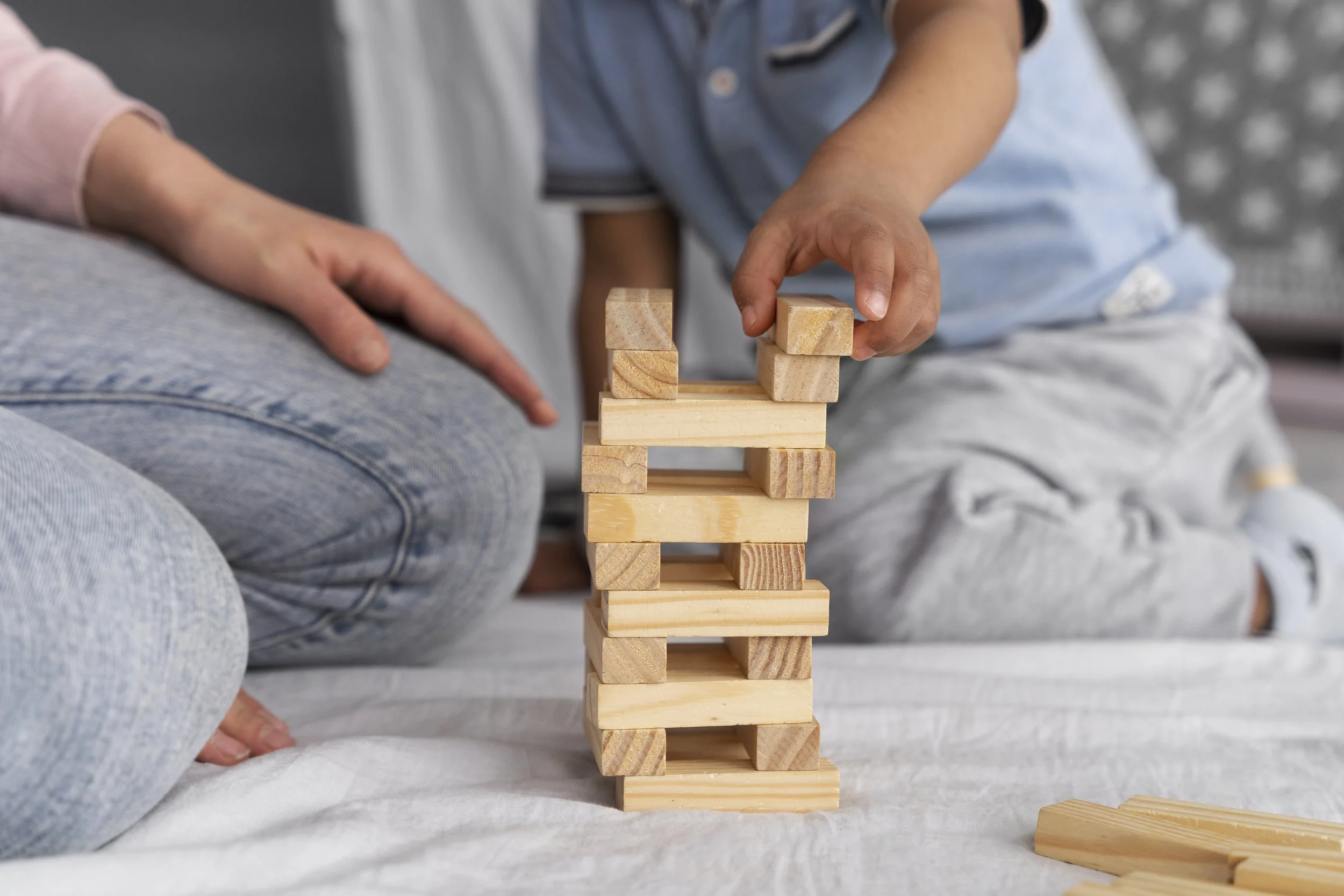
Play offers children a natural way to communicate. Through play, children can explore their inner world, make sense of experiences and begin to develop new ways of coping, at their own pace and in a way that feels safe for them.
What happens in Play Therapy?
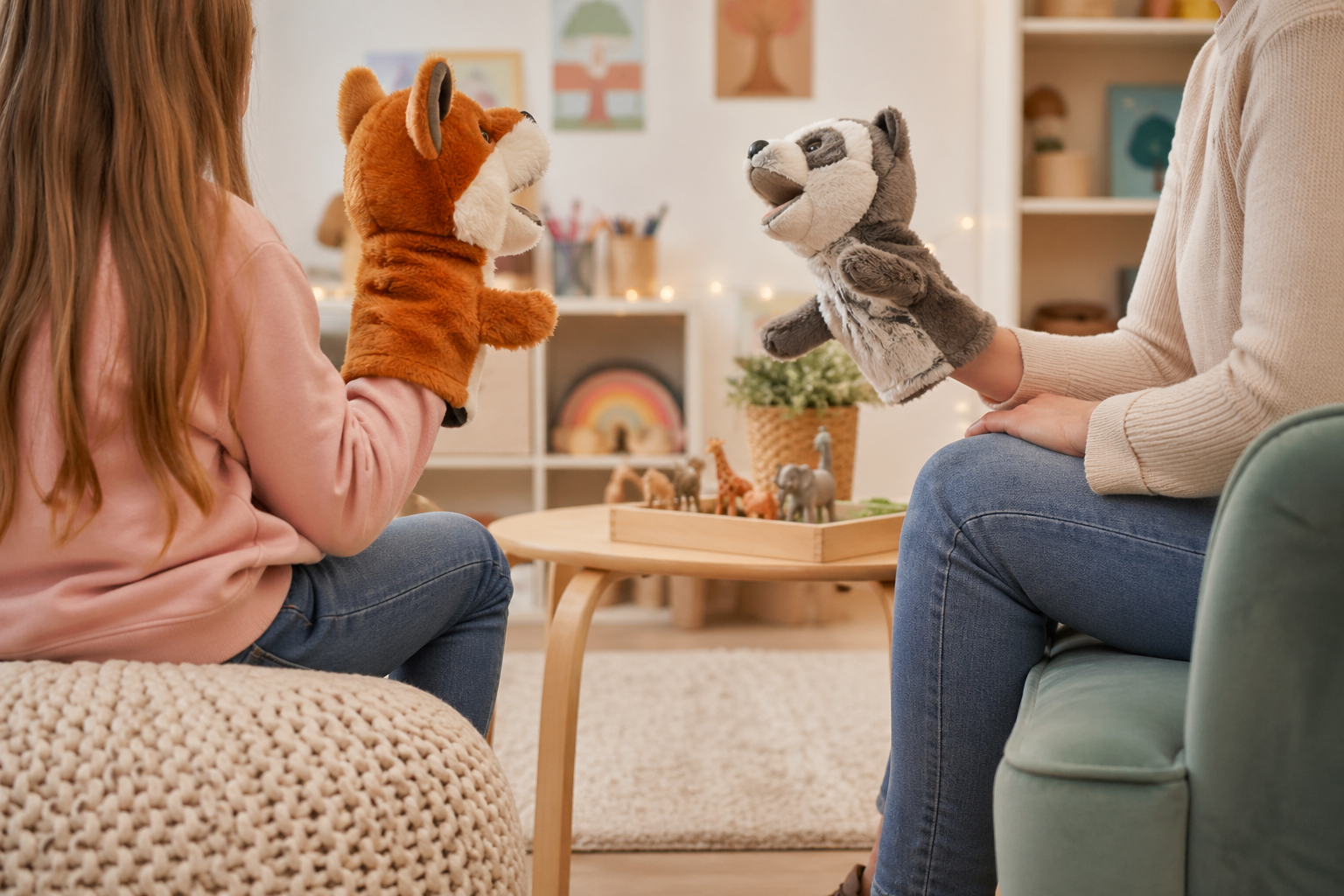
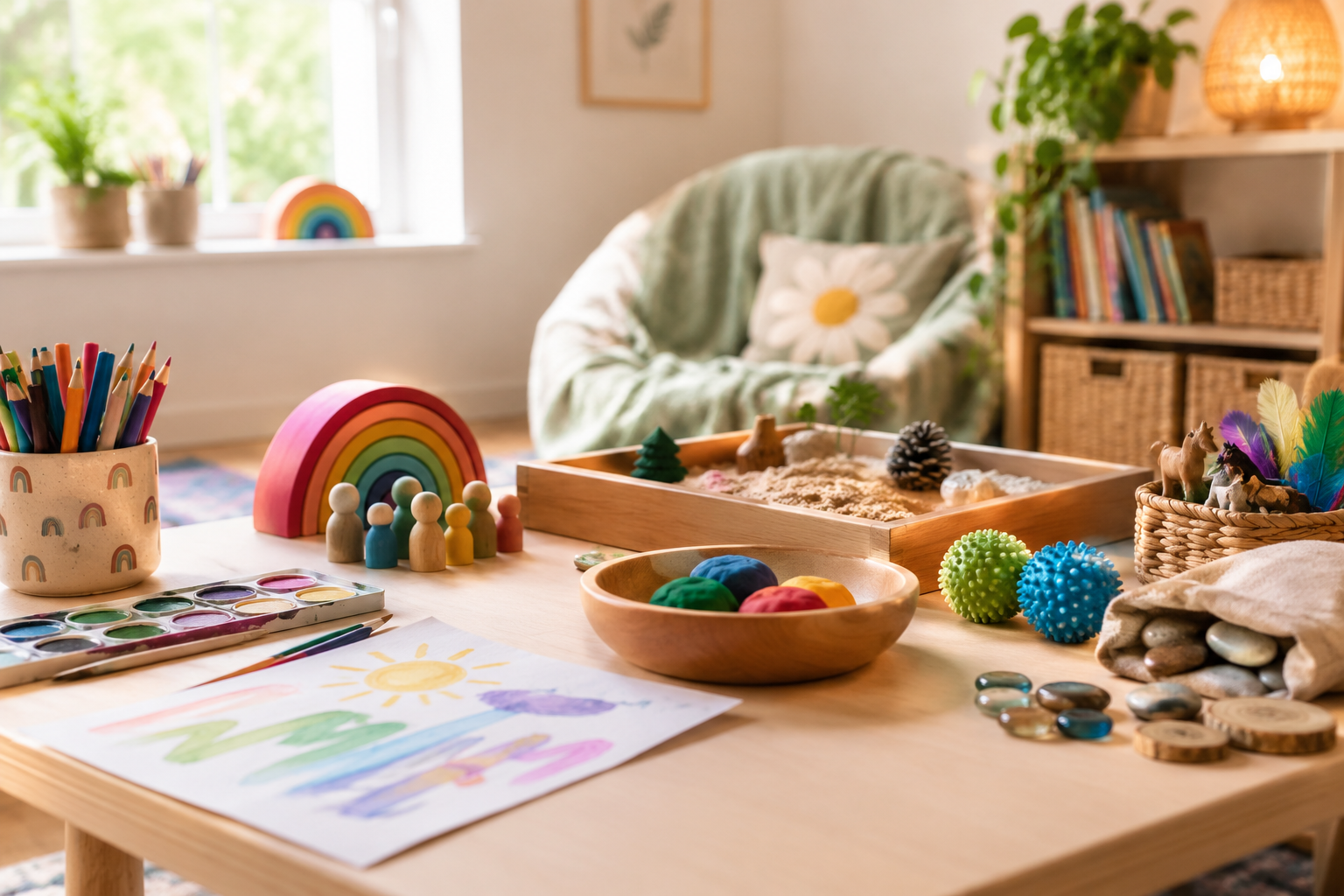
Within play therapy sessions, children are offered a range of creative and sensory resources that they can use to express themselves.
These may include:
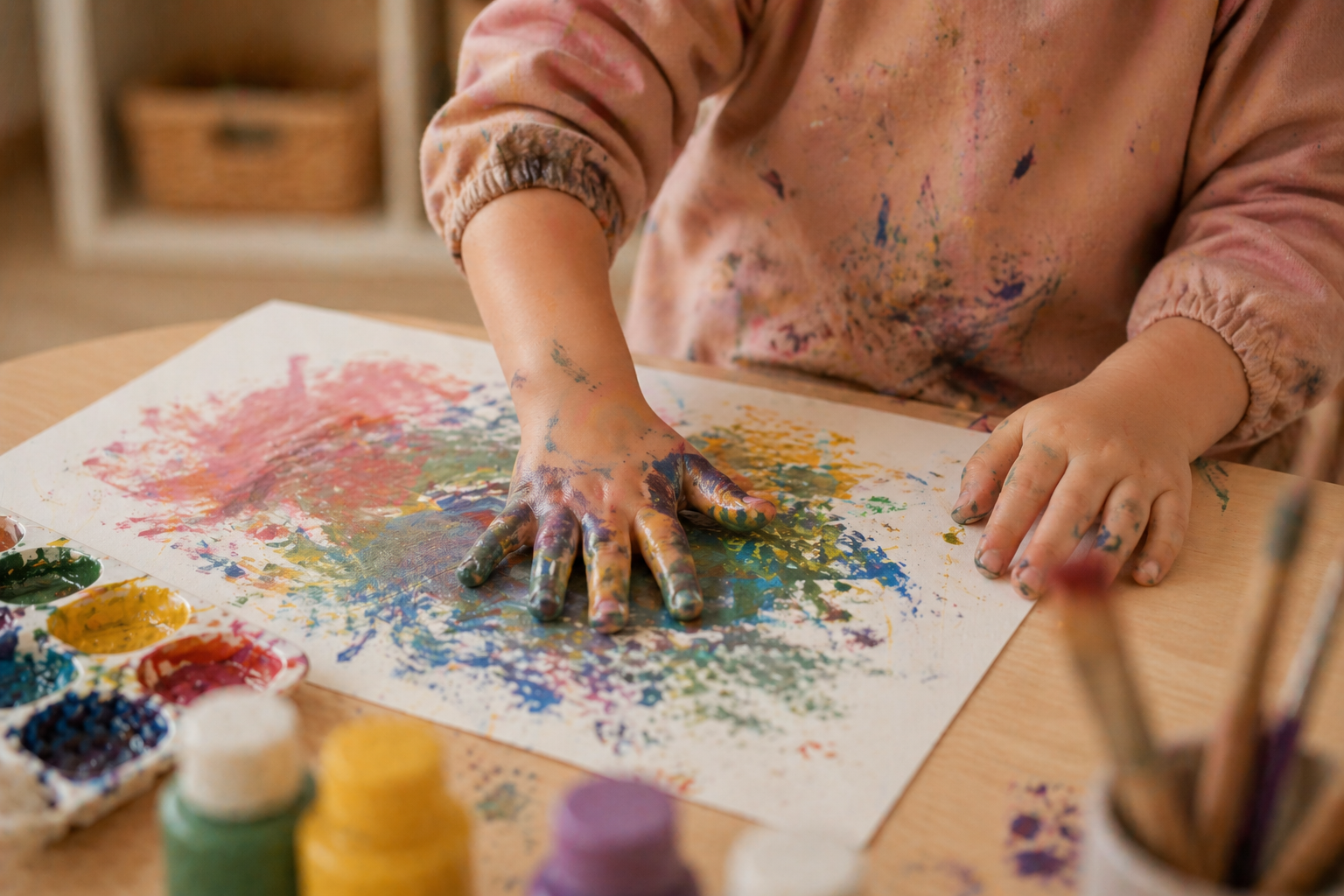
Drawing and painting
Sand trays
Clay and other sensory materials
Puppets and storytelling
Creative and imaginative play
Movement and music
There is no expectation for a child to sit down and talk about what is troubling them.
Instead, play provides another language through which children can communicate, explore and make sense of their experiences.
The therapeutic relationship is an important part of this process. As a Certified Play Therapist, I provide a consistent, accepting and supportive space where children can feel heard and understood without judgement.
Over time, this can help children develop greater emotional awareness, build resilience and explore healthier ways of responding to challenges.
Who can Play Therapy help?
Every child is different, and play therapy may be appropriate for children experiencing a range of emotional, behavioural or developmental difficulties.
I may support children who are experiencing:
Anxiety or emotional difficulties
Bereavement or loss
Separation or divorce
Trauma or difficult experiences
Behavioural challenges
Communication difficulties
Autism or neurodivergence
Sensory processing differences
Attachment difficulties
Developmental difficulties
Changes within the family or other significant life changes
Difficulties with friendships or social interaction
Bullying
Difficulties coping at school or in other environments
Nightmares or sleep difficulties
You don't need to know exactly what your child is experiencing before getting in touch. Sometimes a child's behaviour simply tells us that they are finding something difficult.
We can talk about what you're noticing and consider whether play therapy might be a suitable form of support.
How can Play Therapy help?
Through the therapeutic process, children can begin to:
Understand and express their emotions
Develop emotional regulation and coping skills
Build confidence and self-awareness
Process difficult experiences
Develop resilience
Explore relationships and social experiences
Feel more understood and accepted
Develop more positive ways of responding to challenges
Progress looks different for every child. Play therapy isn't about changing who a child is. It's about giving them the time, space and support they need to understand themselves and their experiences.
Play Therapy in Norwich and Norfolk
I provide individual play therapy for children and young people in Norwich and across Norfolk.
I also offer play therapy within schools and educational settings, supporting children who may be experiencing emotional, behavioural or developmental difficulties. I also welcome enquiries from other professionals who may be seeking therapeutic support for a child.
Where appropriate, I work collaboratively with parents, carers, schools and other professionals around the child to create a consistent and supportive approach.

Sessions & Fees
Individual play therapy sessions are usually held weekly and are offered as part of a therapeutic programme.
A minimum of 12 sessions is normally recommended, as developing a trusting therapeutic relationship and creating meaningful change takes time.
Progress and therapeutic need are reviewed after 8 sessions to ensure that therapy continues to be appropriate for your child.
Individual sessions are £55 per session, with an additional travel fee where applicable depending on location. The cost includes review meetings and an end of therapy report.
I also offer tailored packages for schools and educational settings.
These can include:
Half day morning: 3 sessions – £175
Half day afternoon: 2 sessions – £120
Full day: 5 sessions – £285
School based therapy allows children to access support within a familiar environment and can help schools provide a more consistent approach to supporting emotional wellbeing.
A gentle, child-centred approach
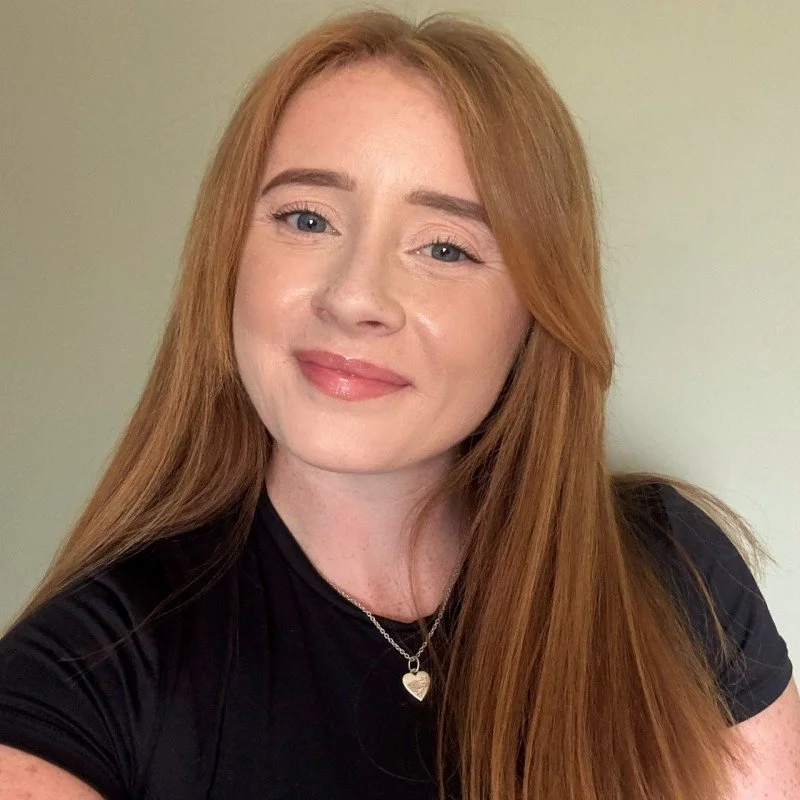
I'm Amy, a Certified Play Therapist and founder of Little Buds Creative Therapies.
My approach is gentle, child-centred and responsive to each child's individual needs. My background in social care, including experience supporting children with autism and complex communication needs, has given me a particular interest in the different ways children communicate and express themselves.
I am a member of PTUK and registered on the Register of Play and Creative Art Therapists, which is accredited by the Professional Standards Authority.
You can find out more about my background and approach by clicking the button below.
Could Play Therapy be right for your child?
If you're worried about your child's emotional wellbeing, behaviour or how they are coping with something in their life, you don't need to have all the answers before getting in touch.
I'm happy to have an initial conversation about your concerns and explore whether play therapy could be appropriate for your child.